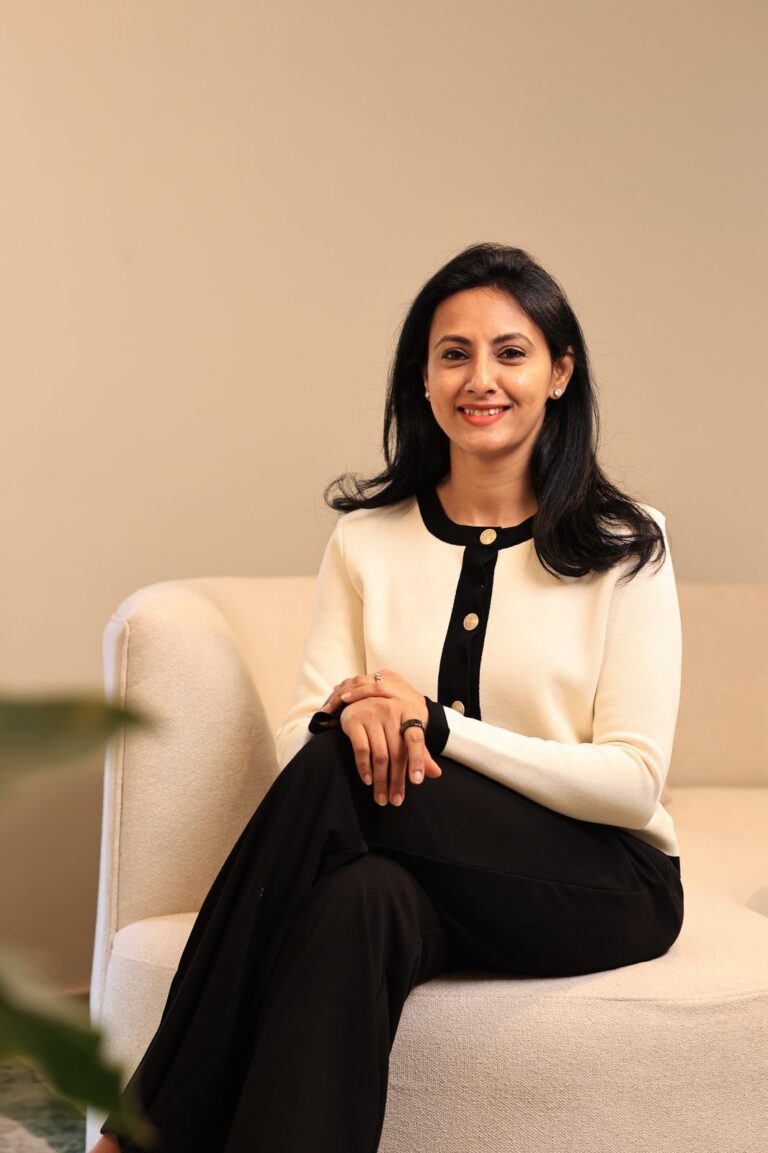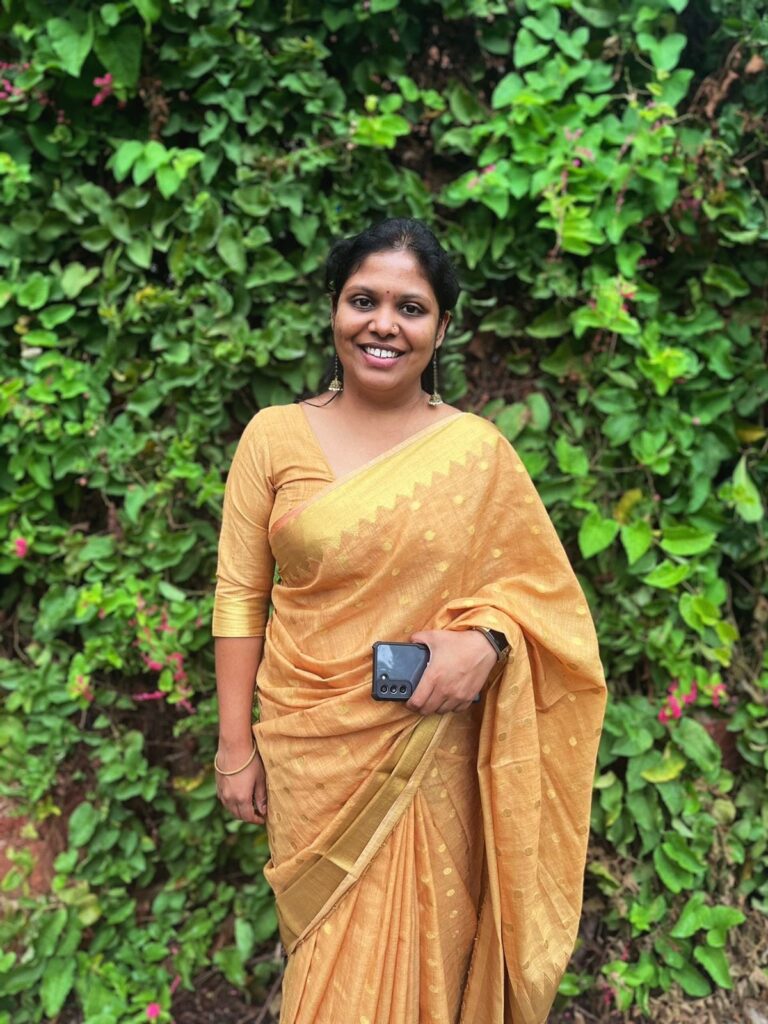
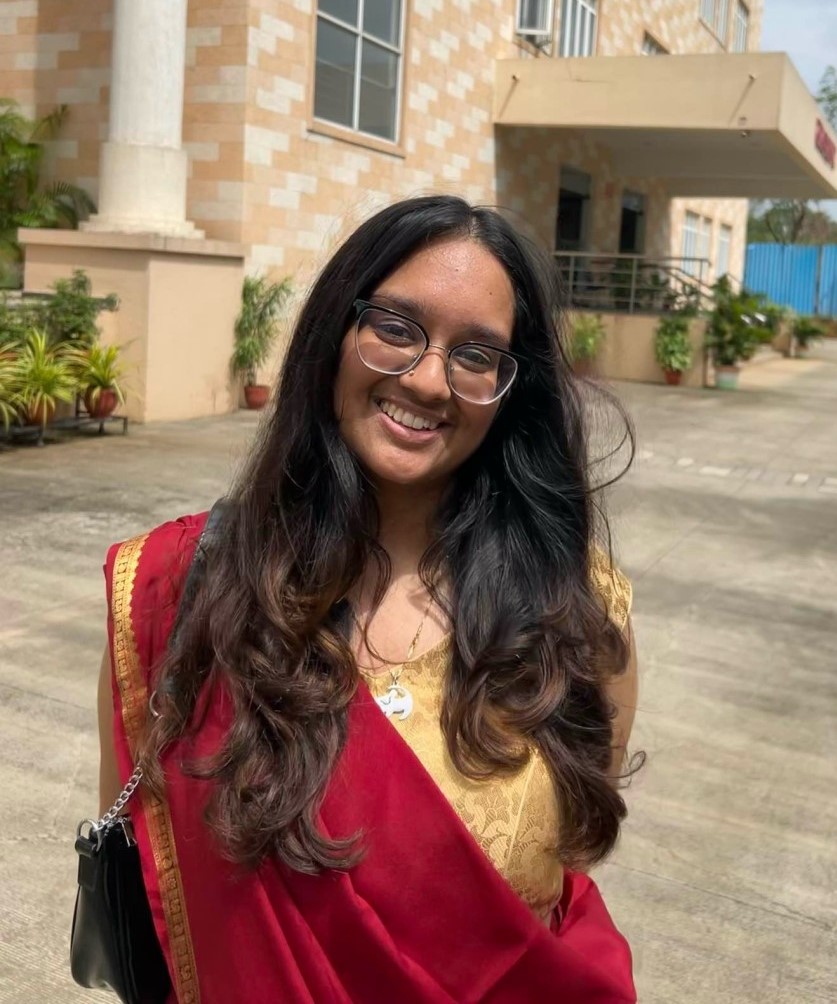
Anjana Palamand is a final-year law student and founder of MAYA, a social-impact organisation working towards awareness about child sexual violence. What drove her was the objective that no woman or gender minority should have to calculate their safety before existing in the world. Since 2021, MAYA has worked with over 2,000 children and caregivers, equipping them with the tools to recognize sexual violence and respond to it. From busting myths about the ‘perfect victim’ to unpacking how harassment shows up online, in schools, or even at home, MAYA creates spaces for people to talk about what they’ve been told to ignore. Palmand’s mission is to shift the culture around sexual violence from hush and denial to recognition and accountability. With MAYA, she’s not only teaching children and adults how to draw boundaries but also pushing schools, homes, and institutions to move beyond token gestures into real, systemic change. She talks to us about working towards a world where dignity, safety, and privacy aren’t privileges but guarantees.
What inspired you to start MAYA, and what gap are you working to fill?
Frankly, I was tired of seeing safety treated like a privilege.
The thought process behind MAYA was, how do we expect people, especially children, to report sexual violence if they do not even know how to recognise it? And how can we, as adults, support them and ensure that they grow up safely? When I was growing up, nobody taught us how to recognize when someone’s words or actions violated our boundaries. Yet we were expected to immediately say ‘no’ to anything uncomfortable, if we were even allowed to feel uncomfortable at all. Moreover, we have all grown up with stereotypes that victimise gender minorities and significantly contribute to (mis)understanding rape culture. MAYA attempts to change that and fill the silence and discomfort around these topics.
What’s one big challenge you’ve faced along this journey?
I’d say it’s the stigma. Working in this space, you get branded ‘too feminist’ or ‘man-hating.’ Also, people are hesitant to work with me because they are scared of what I will tell their students or children. I once encountered a schoolteacher who refused to let me talk to her students because, apparently, by talking about safe and unsafe touch, I would give them ideas on how to sexually assault each other.
What I try to do at such times is try to understand where they are coming from and reassure them that teaching kids about sexual violence has way more benefits than they can imagine.
But, honestly, I could not have dealt with this without constant reassurances from my partner, family, and friends. Those clap-emoji reactions to my WhatsApp stories, or those supportive comments on my post — I cannot tell you how much they encourage me. I know now that if someone is getting annoyed or uncomfortable by me calling out sexual violence, they need to ask themselves why they are getting annoyed or uncomfortable, rather than telling me to stop. And of course, taking continuous breaks is important, too. I don’t think I could have come this far without stepping back from my work, every now and then, and just… breathing.
What change do you hope to see through this work?
At its core, I want women and gender minorities to be safe at home, at school, online, everywhere. I want a world where dignity, safety, and privacy aren’t treated as privileges, where kids aren’t told to wear shorts under their skirts to avoid stares, and where survivors don’t have to prove they’re the ‘right kind’ of victim to be believed.
I don’t think I’m asking for too much, and still, it feels like I am.
What’s next? Where do you see this work — or yourself — going in the next couple of years?
I want to debunk myths and stereotypes about sexual violence in a LOT MORE classrooms and homes, while having interactive conversations (and angry debates) with people across the ideologies to grow my understanding of boundaries, and of course, educate them about the same. I want to incorporate education about sexual violence in a systemic (and not a one-off) manner. So, in the next few years, I see MAYA moving from being an awareness initiative into a stronger voice in shaping culture, policy, and institutional practice around sexual violence.
Personally, I also hope to continue researching sexual violence laws in terms of how they’re applied, how institutions interpret them, and how survivors experience them. I think both research and community engagement are ways of pushing the system to evolve, and I’m committed to that end.
Is there a moment or story from your work that has stayed with you and shaped how you think about this issue?
Yes! Last August, after the sexual violence in West Bengal’s R.G. Kar Hospital made national headlines, social media exploded with outrage, and what struck me was how selective that outrage was, where survivors who fit the ‘perfect victim’ mold — educated, professional, respectable — get support while others, like sex workers or Dalit women, are dismissed or ignored. It showed me how society grades crimes, and how everyday harassment — locker-room jokes, catcalling, excusing assault because someone was drunk — gets minimized as ‘minor.’ But all of it is connected. This spectrum of violence is what enables the most heinous crimes.
Since then, my workshops highlight not just the obvious cases, but the subtle, uncomfortable examples people want to excuse. Because unless we confront the full spectrum, we’ll never dismantle rape culture. In every session at MAYA, I make a point of not silencing problematic questions or survivor-blaming comments. It’s tempting to shut them down, but real change comes from engaging with those beliefs and breaking them down. Otherwise, nothing shifts.
What kind of support would make your work more impactful?
From the public: show up, even when it’s uncomfortable. These sessions are meant to be spaces for debate, for unlearning. But too often, people avoid them altogether. We can’t build safer communities if only a handful of people participate.
From institutions: move beyond token gestures. One annual awareness session to tick a compliance box doesn’t cut it. We need schools, universities, apartments, and workplaces to commit to ongoing engagement, transparency, and accountability, even if it’s inconvenient for their PR.