By Armin Virk
Every few days, my Instagram feed shows me the same kind of video: a young woman, barely out of school, married through an arranged setup and filming “A day in my life as a 21 year old married woman.” The camera pans across a perfectly folded bed, a hot cup of chai, the lunch she cooked for her family and the dinner she plated just right. She smiles as she cuts fruit, edits her videos in soft music and ends the video with her husband handing her a “just like that” gift.
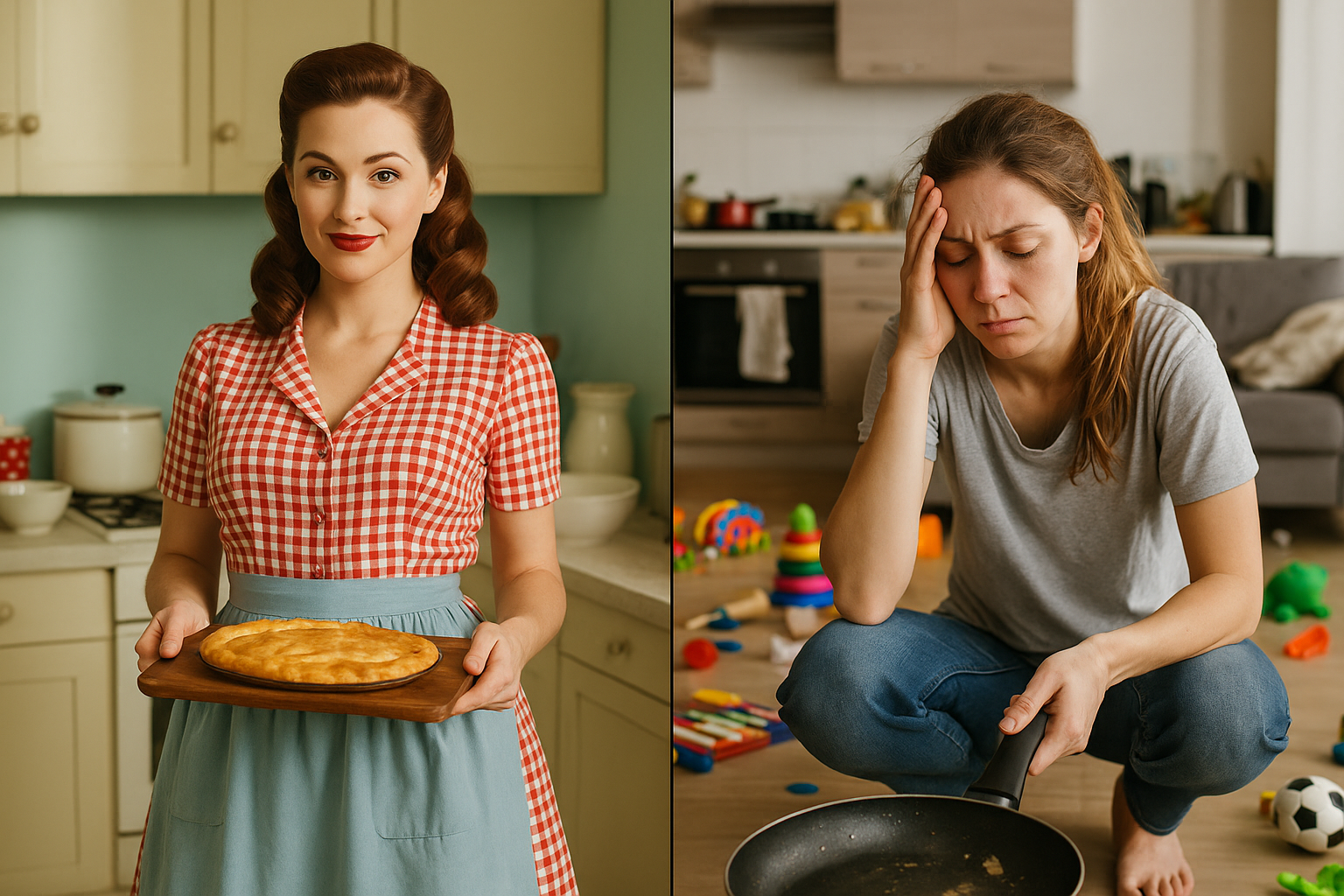
In the comment sections, men write: “Wish every man gets a wife like yours.” While the women comment, “Lady, go and get a job, it’s not too late.”At first glance, these videos seem harmless, even joyful. Isn’t she just showcasing her life? Isn’t it her personal choice? But the more I watch, the more unsettled I feel. Because while individual women may find happiness in this role, the collective impact of these videos reinforces age-old stereotypes about what women are “meant” to do – cook, clean, marry young, birth babies, and ultimately, in the process, end up making domesticity their entire personality.
Now, this is where choice feminism becomes complicated. Yes, it’s true that every woman should be free to make her own choices. But it’s also true that not all choices exist in a vacuum. When one woman publicly romanticizes a narrow, traditional role, it subtly but surely raises expectations for all women. It tells society – this is what a “good wife” looks like.
What makes it even harder to digest, is the age of these women. Many are 21 or 22, just old enough to legally marry, too young to have explored life beyond the walls of their in-laws’ home. Within months, they are pregnant, celebrating domestic milestones, and editing them into Instagram reels. It’s sold as aspirational content but what it actually does is condense the complexity of women’s lives into one single storyline which portrays wifehood as destiny.
I understand that plenty of women in this world do not get a choice, and that’s a different matter. However, these women don’t seem to be harbouring any kind of resentment. In fact, they appear to be happily going on with their blissful lives, where their only worry is what kind of meal to put on the table next.
What’s also striking is that these women never seem to have any paid help, presenting themselves as single-handedly managing every chore in the household. For them, the act of documenting it as an aesthetic video becomes a form of making money but it’s worth keeping in mind that what we see on camera may not be the whole truth.
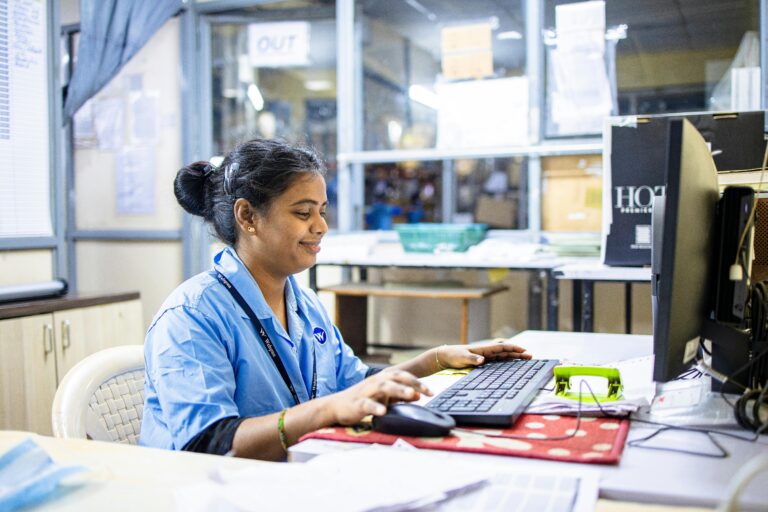
Meanwhile, the reality for many other women is much harsher. Many of us are trying to balance careers, studies, financial independence, and our health. We wrestle with safety concerns when we step out of the house, deal with unfair expectations at work and the emotional load of doing it all. So, when I scroll past a video of a young woman laughing about “The tenth way, I made my husband’s favourite meal today,” I can’t help but feel that this makes the rest of us, who struggle, hustle, and sometimes fail look like we’re somehow doing womanhood wrong.
And then there’s the health angle. Many of these young women show no emphasis on nutrition or fitness, joking about in local parlances like:
“Gol roti and lugai moti, naseeb walo ko he milti hai”
(“Only the fortunate get a round roti and a plump wife.”)
While sipping sugary chai with biscuits and the laughter track playing in the background. Life is long, uncertain, and physically demanding. Without health, financial security, or independence, what happens in ten or twenty years? The blissful reel cuts off then.
Of course, not all tradwife influencers are the same. Some come from wealthy families where their husbands are officers or moneyed elites. Their homes are larger, their meals are organic and their skincare routines all intact. But whether modest or affluent, the glaring message remains constant, a woman’s highest calling is to serve her husband and family.
I don’t deny that some women genuinely love homemaking. But we can’t ignore the bigger picture that is when patriarchy is dressed up in pastel filters and romantic captions and even if it comes with a Desi Nara Smith aesthetic, it doesn’t stop being patriarchy. Even if one woman makes it work for her, it’s still a losing game for the rest of us living on this planet.
Ultimately, the fact of the matter is that some choices have ramifications beyond ourselves and reinforce harmful patriarchal ideas of women as a group and about women’s bodies in our wider shared culture. The only way, I can see about it is coming together as a society and work to expand choices so that marriage and homemaking are not the only story women are told is worth living and worth showing.