
Feminism is a word that often sparks strong emotions — pride, confusion, even discomfort and misdirected anger.
But peel back the noise, and feminism is simply about fairness: the belief that everyone, regardless of gender, deserves the same rights, dignity, and opportunities. As writer and activist Chimamanda Ngozi Adichie reminds us, “Feminist: a person who believes in the social, political, and economic equality of the sexes.”
Nothing more, nothing less.
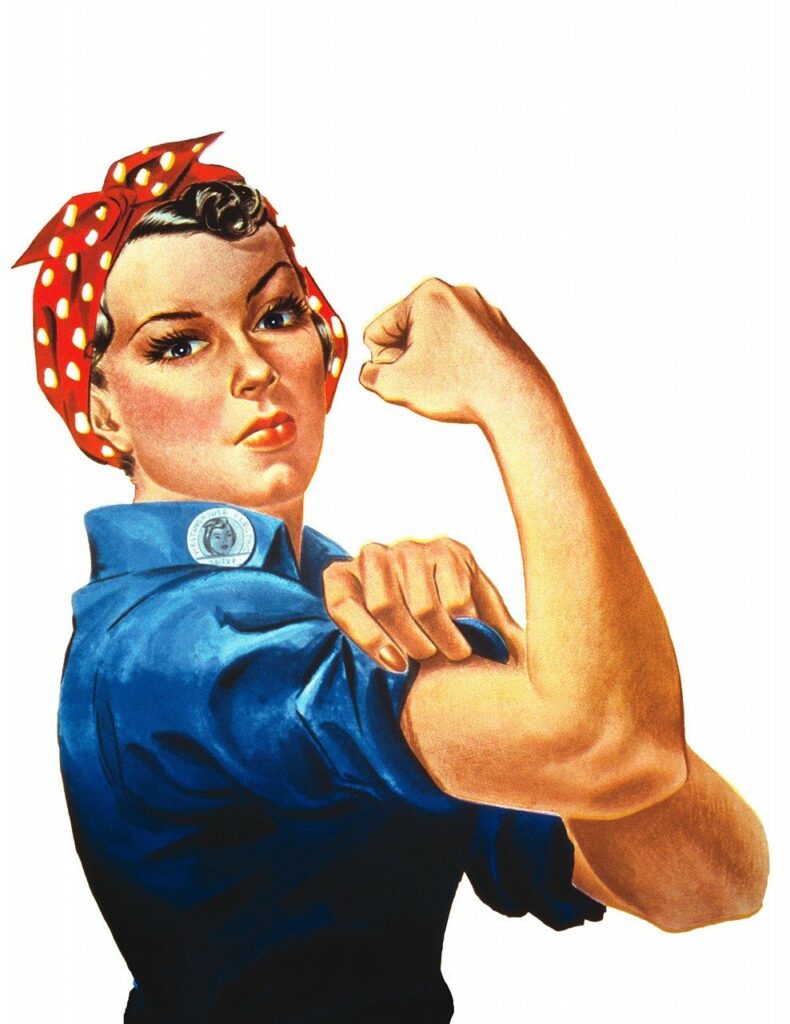
What is Feminism, Really?
At its heart, feminism pushes for equality across all areas of life — work, health, leadership, personal freedom. It challenges systems and traditions that have long sidelined women and marginalized genders.
Feminism is:
- Equal pay for equal work
- Equal say in leadership and decision-making
- Freedom from violence, harassment, and discrimination
- Autonomy over one’s body and choices
- Equal access to education, healthcare, and opportunities
Not superiority. Not division. Just equality.
“I raise up my voice — not so that I can shout, but so that those without a voice can be heard,” said Malala Yousafzai.
“We cannot all succeed when half of us are held back.”
What Feminism is NOT
Feminism is often misunderstood — sometimes deliberately. Let’s be clear:
Feminism vs. “Humanism”: Clearing Up a Common Confusion
A growing number of women today say,
“I’m not a feminist, I’m a humanist. I believe in equality for everyone.”
It sounds reasonable — but it misses something essential. Of course feminism believes in equality for all.
Feminism is humanism — but it looks specifically at how gender shapes injustice. Ignoring gender, pretending everyone faces the same barriers, doesn’t erase inequality — it makes it invisible. As writer and activist Roxane Gay puts it: “When women say they are not feminists because they believe in equality for all, they are missing the point that feminism is about addressing the imbalances that make such equality necessary.”
Gender injustice is real — across salaries, leadership, healthcare, safety, opportunity. If we don’t name it, we can’t fix it. Calling yourself a “humanist” instead of a feminist often unintentionally reinforces the very structures feminism seeks to dismantle.
You can fight for all human rights — and still recognize that gender equality needs specific, focused work. That’s what feminism really asks for:
A world where human rights are not abstract ideals, but daily lived realities — for women, men, and everyone beyond the binary.
If feminism feels “too narrow” and you call yourself a “humanist” instead, remember: feminism is just humanism that actually notices the world we live in. You can’t solve what you refuse to see.
Why Feminism Still Matters
Despite decades of activism, the reality today is sobering:
- Globally, it will take 132 years to close the gender gap at current rates (UN Women, 2022).
- Women hold only 26.5% of seats in national parliaments worldwide (UNFPA, 2023).
- In India, just 29.4% of women participate in the formal workforce compared to 80% of men (India Gender Report, 2024).
- One in three women globally experiences physical or sexual violence (UNFPA, 2023).
These numbers aren’t just statistics. They’re stories — of lost opportunities, silenced voices, broken systems.
As Audre Lorde put it, “I am not free while any woman is unfree, even when her shackles are very different from my own.”
Feminism is for Men Too
Feminism doesn’t just liberate women — it frees everyone from rigid, outdated gender expectations.
- Boys are still often taught to suppress vulnerability, to equate masculinity with aggression.
- Men too suffer from gender-based violence, mental health stigma, and societal pressure to “be providers” at all costs.
Feminism invites us all to imagine — and live — freer, fuller lives.
Intersectionality: The Full Picture
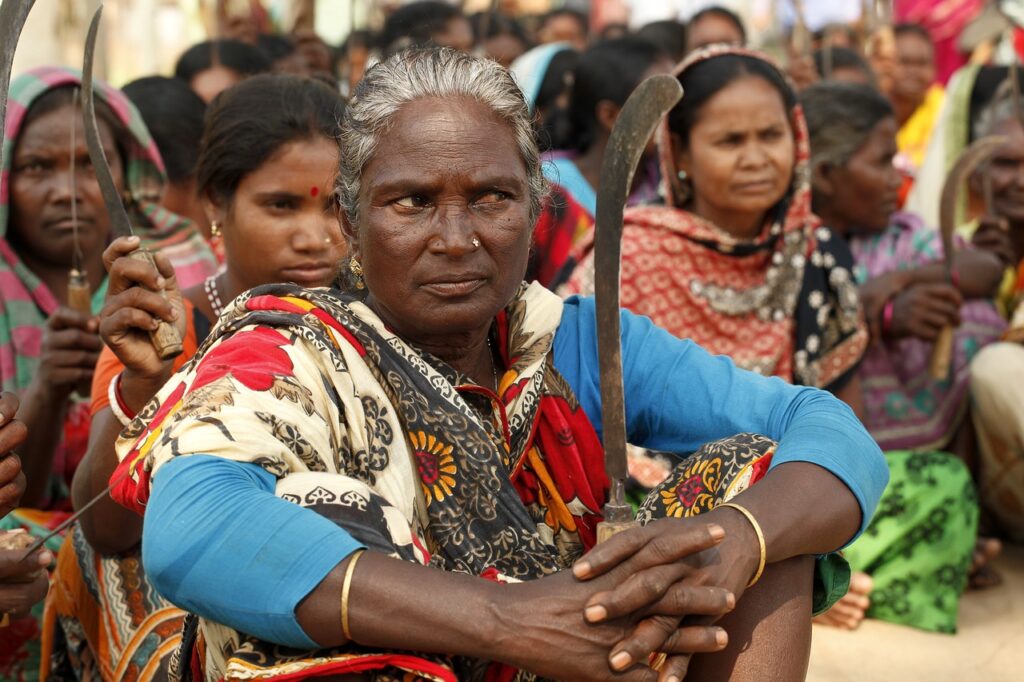
The experiences of a wealthy urban woman are not the same as those of a Dalit woman in rural India.
Intersectional feminism, a term coined by legal scholar Kimberlé Crenshaw, reminds us that race, class, caste, sexuality, and ability shape how people experience inequality. In India especially, a feminist lens must also confront caste discrimination, rural-urban divides, religious marginalization, and economic inequality. Without intersectionality, feminism risks being a movement for the privileged few — and that’s not the feminism we need.
The Indian Context: Challenges and Power
In India, feminism wrestles with contradictions:
- Rising literacy rates, but persisting child marriage (23% of Indian women aged 20–24 were married before 18 — UNICEF India, 2024).
- Legal rights on paper, but limited access in practice.
- Fierce women-led movements at grassroots levels — from Shaheen Bagh to farmer protests — but continued underrepresentation in political and corporate spaces.