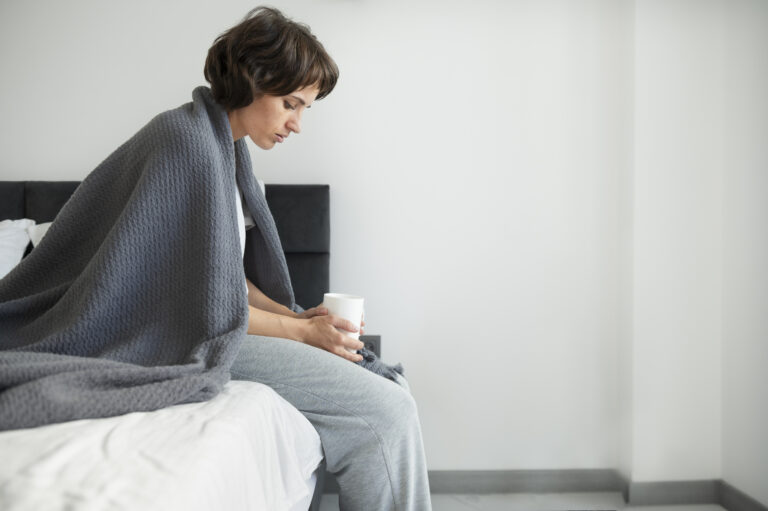
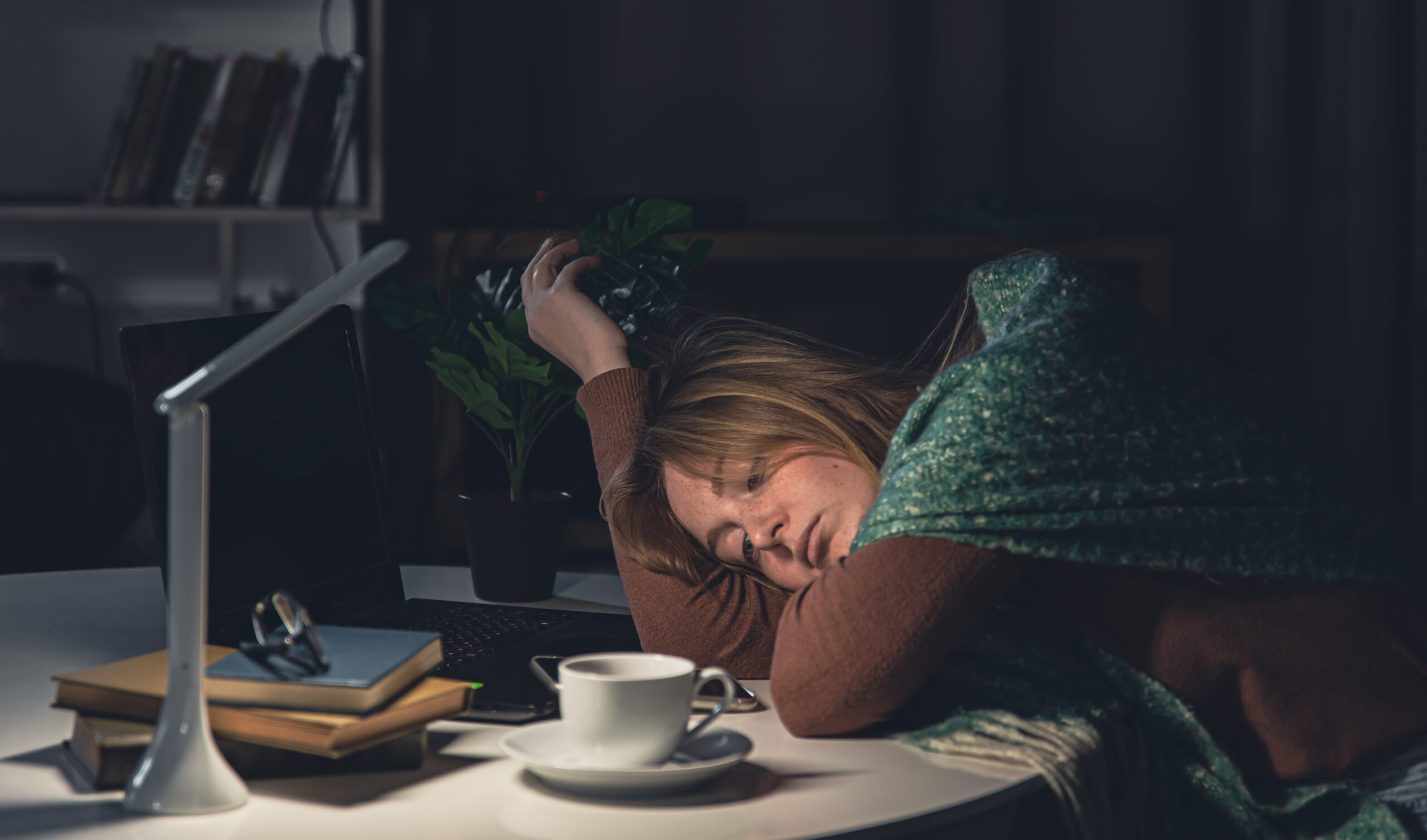
- Women have a higher likelihood than men of developing both burnout and depression.
- Symptoms of depression and burnout can overlap.
- Burnout can be managed with lifestyle changes that prioritize daily self-care
- Depression requires a combination of medical and psychological therapy.
In the rush to keep together, most women today are walking into a vicious cycle of burnout without much recovery. For many, the lines between burnout and depression have also blurred, especially in women who are unable to invest adequate care for their mental health.
We will see what the classic signs of burnout and depression are in this article, and also when it would be the right time to get some professional help for your symptoms.
What is the difference between burnout and depression?
Burnout is often linked with professional work. However, for women, being the primary caregiver, often in addition to professional commitments, can also lead to burnout. Burnout is the state of emotional, physical, and mental exhaustion that comes at the end of prolonged stress.
Depression, on the other hand, is a mental health condition, which is marked by persistent feelings of sadness, hopelessness, loss of interest and concentration, symptoms which impact daily functioning. Factors causing depression are a complex mix that can include both psychological and social factors. Burnout can also be a risk factor for developing depression.
| Burnout | Depression | |
| Prevalence | 46% of women experience workplace exhaustion compared to 38% of men. A lot of this is due to the women’s “second shift” as the primary caregiver. 1 | Women are almost twice as likely to develop depression when compared to men. 2 |
| Symptoms | Persistent fatigue, irritability, detachment from oneself, and physical symptoms | Low mood, loss of concentration, changes in sleep and appetite, decreased interest, decline in energy, etc |
| Duration | Both can last for months or years if left untreated. It can also be cyclical, with periods when symptoms lighten. | |
| Treatment | Lifestyle adjustments, reduced workload, and therapy are often sufficient for treatment. | Depression requires both psychological therapy and medical management. |
Why are women disproportionately affected?
While burnout and depression are not gender-neutral, women face a unique set of emotional, social, and biological pressures that make them vulnerable to both depression and burnout.
Daily, women juggle multiple roles, which results in them slipping into their “second shift” after their professional commitments are over for the day. This constant multitasking doesn’t just result in a decline in energy but also builds up resentment and, over time, a sense of self-depletion. This invisible labor and its consequences frequently go without acknowledgment.
Besides the personal expectations to succeed in most of their roles, women also face societal pressure to lead teams and raise families, all the while staying composed. These pressures often add to risk factors for both depression and burnout. Contributing to this cycle are biological factors through the menstrual cycle and amplified by phases such as pregnancy, postpartum, and perimenopause.
All these situations put women at a higher risk of developing burnout or depression, especially if she is unable to identify the signs early and seek help for it.
When should you seek help?
The reality is, “pushing through” doesn’t work anymore. You should consider seeking help when:
- You feel persistently low or numb on most days
- You experience fatigue and muscle aches
- There is a noticeable drop in your productivity
- You do not invest in your self-care
- You are struggling to find meaning in your daily life
- You find that your mood is impacting your day
Since a lot of the symptoms can overlap, it can be relatively difficult to differentiate between burnout and depression. However, when you speak with your healthcare provider, you can highlight the symptoms that you have tracked to be able to receive individualized care. Leaving both burnout and depression untreated for long can lead to serious consequences for both your physical and mental health.
The bottom line
The perfect woman who is capable of “doing it all” has been romanticized for too long. Resilience without rest isn’t sustainable in the long run. Recognising symptoms, whether it is burnout or depression, can help you reclaim control of how you live your life, thriving or in survival mode.
References:
- Wafeeqa. (2024, October 10). Workplace Support Linked to Women’s Mental Health. Women in Tech® Global. https://women-in-tech.org/workplace-support-linked-to-womens-mental-health/
- World Health Organization: WHO & World Health Organization: WHO. (2025, August 29). Depressive disorder (depression). https://www.who.int/news-room/fact-sheets/detail/depression
- Institute for Quality and Efficiency in Health Care (IQWiG). (2024, April 15). Depression: Learn More – What is burnout? InformedHealth.org – NCBI Bookshelf. https://www.ncbi.nlm.nih.gov/books/NBK279286/
- Plieger, T., Melchers, M., Montag, C., Meermann, R., & Reuter, M. (2015). Life stress as a potential risk factor for depression and burnout. Burnout Research, 2(1), 19–24. https://doi.org/10.1016/j.burn.2015.03.001