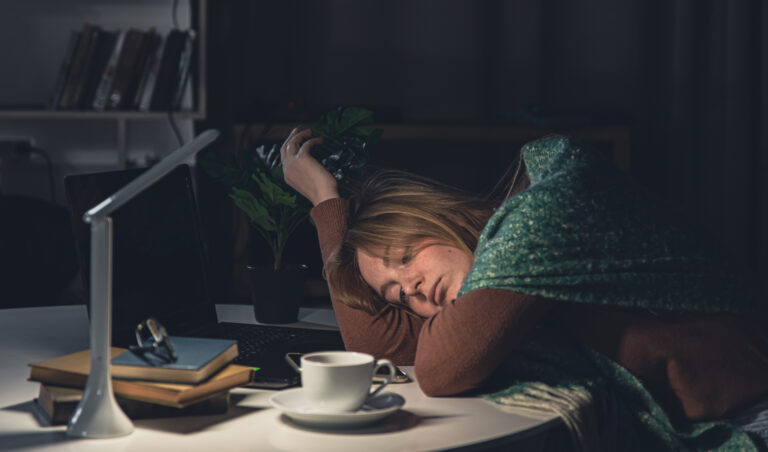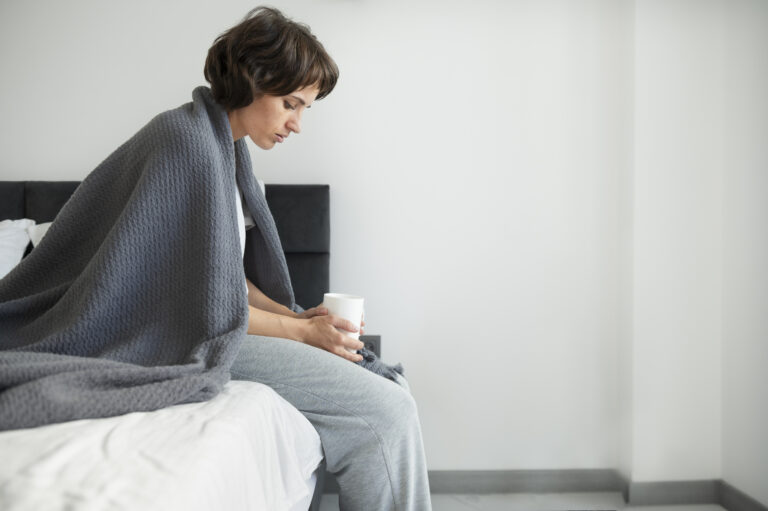
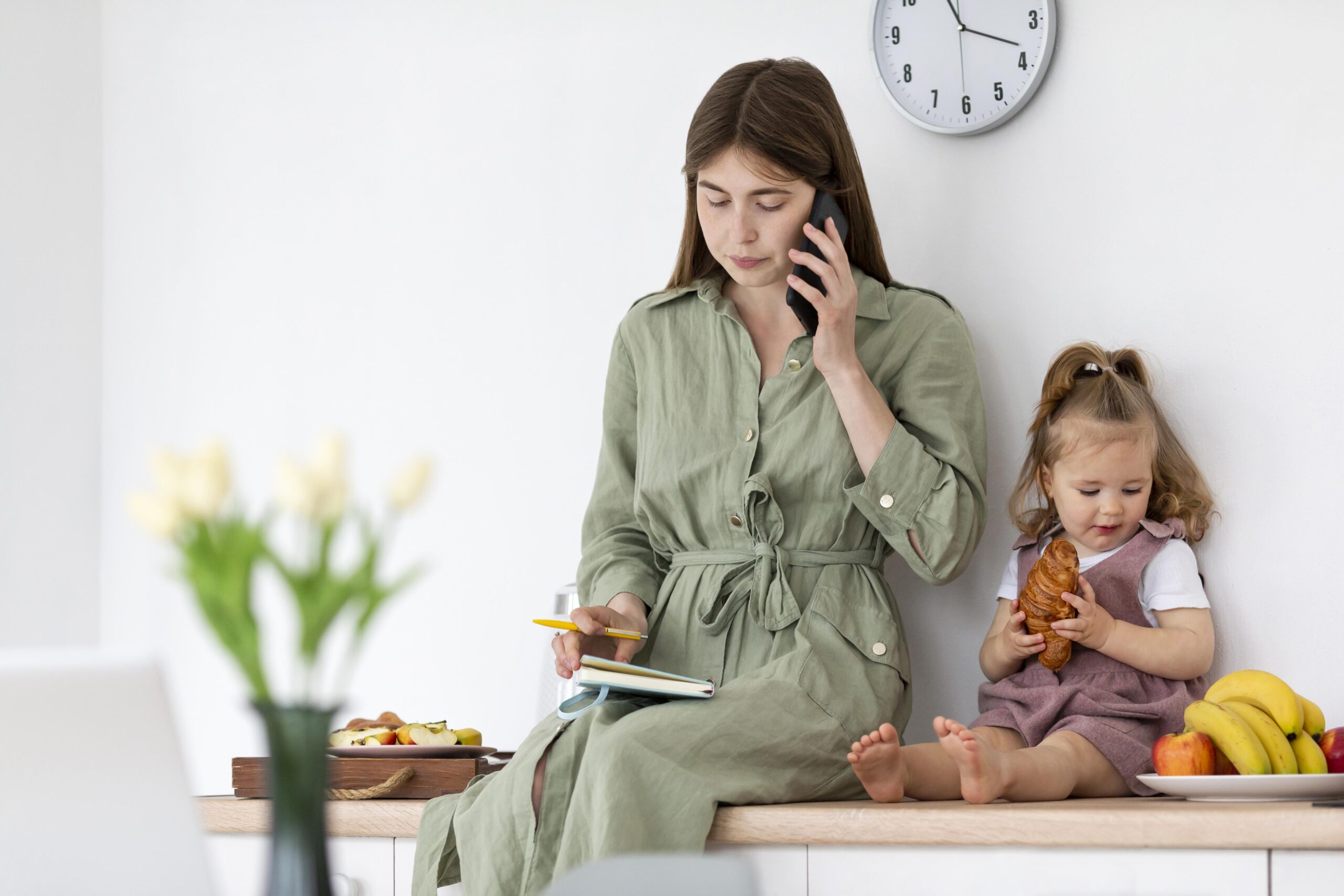
- Women, globally, spend almost 11 billion hours daily in unpaid work.
- The estimated cost of this second shift is estimated to be 10 – 39% GDP.
- Women, over time, experience burnout, anxiety, and depression.
- Change needs to be multi-fold, with better sharing of the load at home, workplace, and government policies.
Today, we often picture a reality of “women having it all,” careers, family, and ambition. However, we rarely highlight the true costs of keeping it all running. For millions of women, even today, a workday doesn’t end when it is time to log off from work.
They simply shift into another gear, into unpaid, unseen, and unrelenting work. This “second shift” is shaping women’s mental health in several ways that can, over time, be costly for our community.
What do the numbers on unpaid labor show us?
During the “second shift,” women expend their time, energy, and lose out on a lot of their well-being. Time after work, which would ideally be spent decompressing and in activities conducive to her health, a woman is likely to be cooking, cleaning, and caring for her family members.
The International Labor Organization estimates that 76% of the unpaid care work is done by women.1 This is equivalent to 11 billion hours a day. Similar statistics from the OECD show that women perform twice as much unpaid care and domestic work, which is 4.5 hours compared to 2 hours for a man. 2
The result of this is women who are doing two jobs every day, one that is paid, and the other that isn’t. According to UN Women, this labor, if paid for, could contribute to 10 – 39 % of the Gross Domestic Product.3
What is the mental health toll of unpaid labor?
This relentless load takes a measurable toll on a woman’s mental health. Literature reviews have linked unpaid labor to higher levels of stress, anxiety, and depressive symptoms.4
Women are less likely to take time for self-care when compared to men. The guilt from societal expectations to complete household tasks remains. Over generations, women have defaulted to being the cooks and primary caregivers at home. When immersed in these tasks, she is less likely to take the time off for self-care routines or activities that are essential for her mental health.
Psychology Today highlights that this unpaid work pushes women to a state of burnout, a term commonly referenced with chronic workplace stress.5 However, unpaid labor at home provides a similar toll, since women are continuously working thankless hours, with little to no time for taking care of their own well-being.
The recent COVID-19 pandemic intensified these struggles further. The lines blurred for many women as work shifted home, which made unpaid labor creep into professional hours. This setback formed a vicious pattern that to this day continues to mount a significant mental health strain.
How can we change this system for women?
The solution to this mental health crisis isn’t just for women to “balance” their situations better. It involves sharing the load as well as workplace reforms.
Workplaces need to move beyond just flexibility and open up genuinely care-inclusive policies. This can look like more paid parental leave for all genders, normalized flexible working hours, and cultural permission for men to share care duties. A significant portion of these changes would require undoing a lot of the cultural stigma that a lot of societies use to label why women should ideally be the primary caregivers.
Governments can also pitch here. Some simple ways this can happen are through affordable childcare, easily available eldercare support, and economic recognition of unpaid labor in the GDP and policy decisions.
To wrap up
Unpaid work is the backbone on which society thrives. But it shouldn’t keep women running on empty. As long as the second shift remains invisible, women will continue to pay the price with their mental health.
Complete gender equality isn’t only about equal pay and work. It is about having the ability to equally take care of yourself, equal respect, and equal recognition for all that women do.
References:
- ILO: Women do 4 times more unpaid care work than men in Asia and the Pacific. (2024, April 19). International Labour Organization. https://www.ilo.org/resource/news/ilo-women-do-4-times-more-unpaid-care-work-men-asia-and-pacific
- OECD (2025), Gender Equality in a Changing World: Taking Stock and Moving Forward, Gender Equality at Work, OECD Publishing, Paris, https://doi.org/10.1787/e808086f-en
- Redistribute unpaid work. (n.d.). UN Women – Headquarters. https://www.unwomen.org/en/news/in-focus/csw61/redistribute-unpaid-work
- Seedat, S., & Rondon, M. (2021). Women’s well-being and the burden of unpaid work. BMJ, n1972. https://doi.org/10.1136/bmj.n1972
- MacAulay, J. E. W. P. a. D., PhD. (2024, July 9). Unrecognized emotional and domestic labor worsens stress and mental health issues. Psychology Today. https://www.psychologytoday.com/us/blog/our-invisible-work/202407/how-invisible-work-at-home-and-on-the-job-fuels-burnout-0